Name(Required)

What A Full Day In A PC Program Looks Like In New Jersey

What A Full Day In A PC Program Looks Like In New Jersey

What A Full Day In A PC Program Looks Like In New Jersey

Healing works best when the day has shape.” 

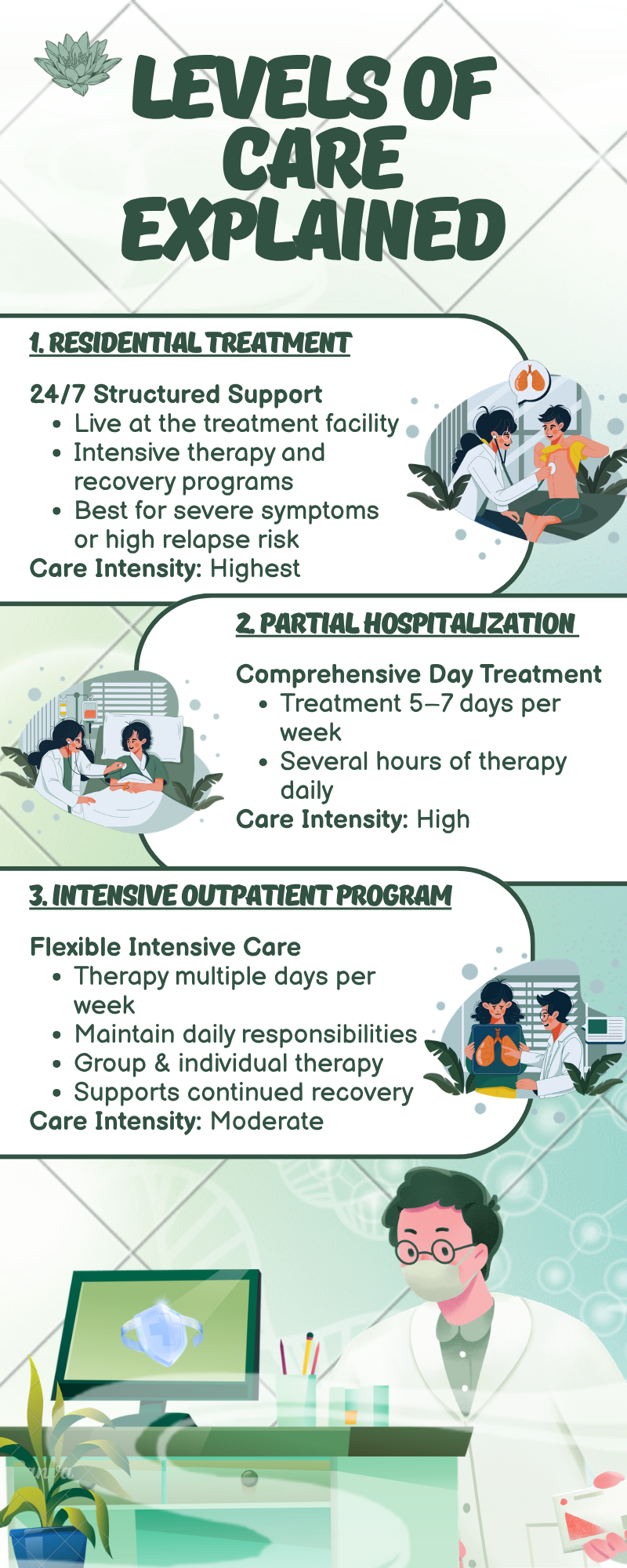
That is what a Partial Care program is built to do. At Resilience Behavioral Health of New Jersey, we know many people need more than weekly therapy, but do not need an overnight stay. A full day in a PC program usually means five to six hours of structured care, five days a week, with therapy, psychiatric support, and planning for what comes next. It gives you room to steady yourself before life pulls you back in. 

In this guide, we walk you through the full day, step by step, so you know what to expect before you begin. 

Understanding The Structure

In New Jersey, Partial Care and Partial Hospitalization often mean the same kind of daytime treatment. The name may shift a little, but the purpose stays the same. You get a full schedule, close clinical support, and room to rebuild your footing without staying overnight.

A PC program usually runs five days a week. Most people spend about five to six hours each day in treatment. That steady rhythm helps create order when life has felt scattered for too long.

Program Detail

Typical Format

Weekly Hours

20 to 25 hours

Daily Length

5 to 6 hours

Schedule

5 days a week

Setting

Daytime clinical care, home at night

The New Jersey Division of Mental Health and Addiction Services regulations help shape how these programs operate. That structure matters because it keeps care safe, organized, and clinically sound.

➡️ Read our latest blog, What to Do When Therapy Alone Isn’t Working in New Jersey,” to explore the next steps that can help you move beyond a plateau and toward the right level of care.

Hour-By-Hour Breakdown

A full day in PC is not random. It follows a clear rhythm. That rhythm helps people settle in, focus, and start making steady progress.

The point is not to fill time. The point is to use time well. Each block has a purpose, and every part of the day supports healing in a different way.

Morning Arrival And Group Check-In

The day often starts with a warm welcome, a quick emotional check-in, and a look at how each person is doing. This is where the team gets a read on safety, mood, and readiness for the day ahead.

It is not a cold roll call. It feels more like arriving at a place where people already expect you to need care and patience.

  • Vitals And Safety Check: A brief review to make sure you are stable.
  • Mindfulness Routine: A short grounding exercise to settle your mind.
  • Daily Intentions: Each person shares one goal for the day.
Core Therapeutic Groups And Skill-Building

Mid-morning is where the real work starts. These groups usually focus on evidence-based methods like CBT and DBT. That means you are not just talking about your feelings. You are learning what to do with them.

This is also where evidence-based clinical group modalities come to life in a practical way. The sessions may cover thought patterns, emotional control, stress response, and behavior change. It is active, not passive. More practice. Less guessing.

Mid-Day Lunch And Community Integration

Lunch gives the body a break and the mind a reset. That matters more than people think. A calm meal, a short conversation, and a few quiet minutes can help the rest of the day go better.

This part of the day also helps people practice real-world social skills in a safe setting. It is small, but it counts. Healing often happens in those in-between moments.

Individual Counseling And Psychiatric Adjustments

After lunch, many programs move into one-on-one support and medication review. Group work builds the base, but private sessions give space for personal details that are easier to discuss alone.

If needed, a licensed psychiatrist can review medication and make changes with care. That kind of close follow-up can make a big difference when symptoms have been hard to manage. You are not left to figure it out on your own.

Expressive Therapies And Discharge Planning

The final block often includes creative or body-based work. That may mean art, music, or gentle movement. These approaches can help when words fall short.

Then the day closes with planning. Case managers may talk through next steps, safety planning, and where you are headed after PC. That transition matters. Good care should always point you forward, not just hold you in place.

Quick Reference At A Glance

For mobile readers or anyone who wants the short version, here is the day in a simple view.

Time Block

Focus Area

Clinical Objective

09:00 AM – 10:00 AM

Arrival & Morning Check-In

Peer grounding, crisis screening, and intention setting

10:00 AM – 12:00 PM

Clinical Group Modalities

DBT skills, emotional regulation, and cognitive restructuring

12:00 PM – 01:00 PM

Lunch & Social Intermission

Nutritional support and peer community integration

01:00 PM – 02:30 PM

Psychiatric & Individual Care

Medication review and private counseling

02:30 PM – 03:30 PM

Somatic Work & Wrap-Up

Expressive therapy, safety planning, and daily discharge

If you are still deciding whether this level of care fits, it helps to verify your program eligibility criteria early. That one step can save time and clear up a lot of worry.

Frequently Asked Questions

Can I Go Home At Night During A New Jersey Partial Care Program

Yes. That is one of the main features of PC. You receive strong daytime treatment and still sleep in your own bed at night.

How Long Does A Typical Partial Care Program Last

Many people stay for three to six weeks, though the exact length depends on medical need and progress.

Is Transportation Provided For Daily PC Programs In NJ

Some facilities help coordinate transportation or local transit support. It depends on the program and the area.

Experience Day Treatment That Feels Steady

Choosing Partial Care can feel like a big step, but it often brings real relief. You get structure, support, and space to heal without putting life on pause. If the full day still feels heavy, remember this: you do not need to carry it alone. 

At Resilience Behavioral Health of New Jersey, the goal is to help you find care that fits, not care that overwhelms. Reach out for a confidential assessment and see whether PC is the right next step for you. Sometimes the clearest path forward starts with one calm conversation.