

Signs Your Depression May Require Structured Treatment in New Jersey
Some people go through depression for months. Negative thoughts keep returning again and again in their mind and they try to cope with everything by themselves, but it does not work. Instead of fading away, these thoughts begin to form a cycle that becomes difficult to escape. This pattern is known as depression.
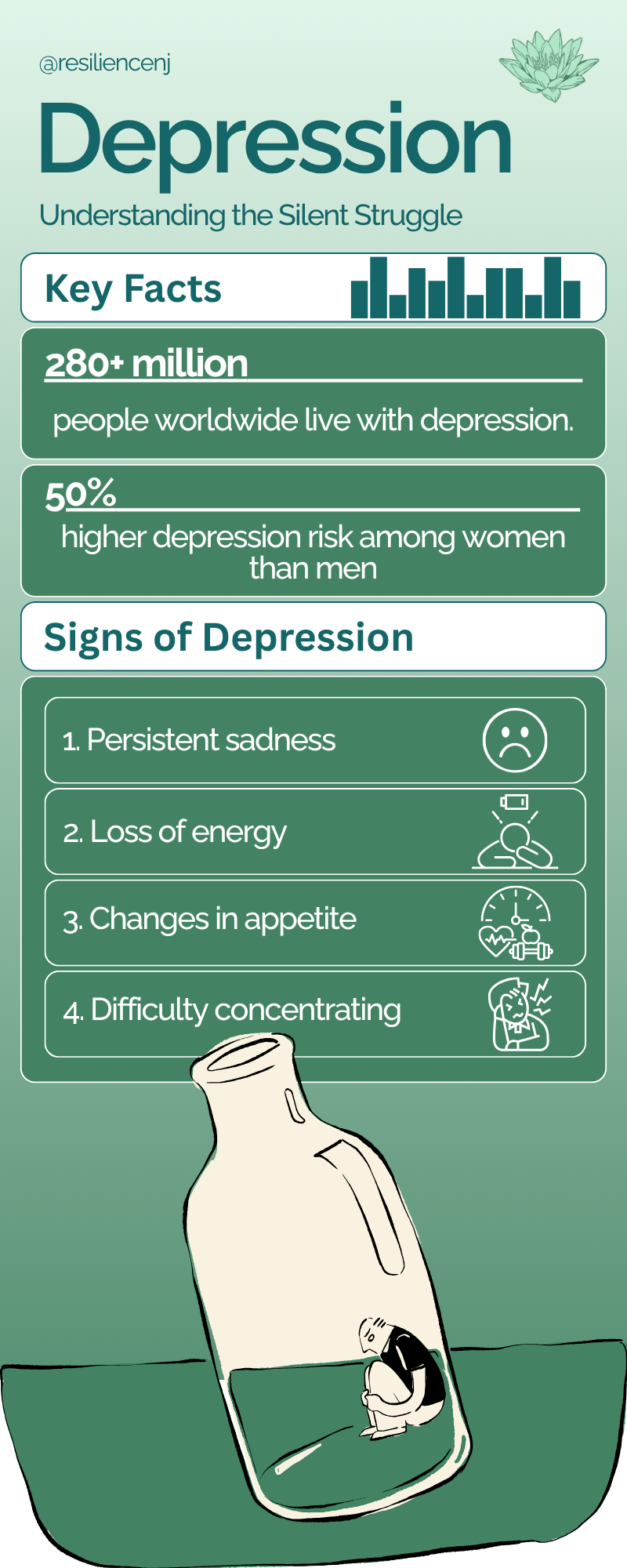
Depression gradually starts affecting sleep, relationships, and daily work responsibilities. It is a mental illness that requires proper treatment and emotional support to help patients come out of the darkness. A person experiencing depression may face multiple signs such as isolation, mood swings, feelings of hopelessness, and a lack of interest in daily activities.
According to stats, there are around 1 in 5 adults in the United States who have been diagnosed with depression at some point in their lives. This shows that depression is a common mental health condition, affecting millions of people across the world.
To treat the signs of depression, it is very important to receive structured mental health treatment. This includes therapies such as Cognitive Behavioral Therapy (CBT), Dialectical Behavior Therapy (DBT), and Trauma-focused therapy, along with proper medication in New Jersey. With the right support and professional guidance, patients manage their symptoms and bounce back into their lives.
In this blog, we will discuss the common signs of depression and how structured mental health treatment in New Jersey can help individuals overcome these challenges and regain control of their lives.
Understanding Depression Beyond Everyday Sadness
When a person feels sad after a difficult life event, this feeling is considered a normal part of life. But when sadness continues for weeks or even months, it starts affecting a person’s thoughts and physical health. Gradually, it starts affecting relationships and daily routine tasks.
Depression is a mental health condition that can impact daily life and make it difficult for a patient to function normally.
A person experiencing depression loses motivation, feels emotionally disconnected from the world, and struggles to enjoy everyday activities. Also, the simple tasks can start feeling stressful, and negative thoughts continue to grow over time.
Alarming Signs of Depression You Must Pay Attention to
1. Isolation From Family and Friends
The first sign of depression is isolation. A person starts avoiding social interactions and cancels their plans with family members and friends. Many individuals feel emotionally disconnected from the people around them.
As isolation increases, the depressive thoughts and emotions can become stronger, and they can become unable to control. You start feeling sad, hopeless, and lonely, which can make recovery more difficult.
2. Changes in Sleep and Appetite
Depression can affect a person’s sleep and appetite patterns in different ways. Many patients experience insomnia and struggle to fall asleep or stay asleep throughout the night.
In some cases, people sleep too much but still wake up feeling tired and unrefreshed. Some people go through restless sleep, where they have interrupted sleep, and they wake up anxious even after resting.
3. Emotional Outbursts, Irritability, or Mood Swings
Depression does not always look like sadness. It feels like experiencing ups and downs in emotions, anger, crying spells, and normal. Individuals feel frustrated and irritated over small situations that normally would not affect them.
There will be emotional outbursts that can feel difficult to control, and it drains the person going through the depression phase. Because of these mood swings, it impacts relationships and social life.
4. Loss of Interest in Activities Once Enjoyed
One of the common symptoms of depression is losing interest in activities that you once enjoyed. You feel like hobbies won’t fix you, and there is no happiness they can bring.
As a result, individuals start avoiding social events and their daily routine. Even the addition of some new things does not affect the person’s mood.
“Depression speaks in thoughts and heals in treatment.”
How Depression Affects The Physical Health?
Depression affects not only the emotional health of the person but also their physical health. Many patients experience fatigue and feel exhausted even after resting for a long time.
People have trouble doing the simple daily tasks because their bodies and minds lack energy and motivation. People with depression have consistent headaches, body aches, and muscle stiffness throughout the day.
Depression affects your body’s overall system, such as sleep patterns, low energy, and makes it harder for the body to function healthily.
How Structured Depression Treatment in New Jersey Can Help?
People dealing with depression need structured treatment in New Jersey, which has professional support for both emotional and physical health. From managing symptoms to understanding the root cause of the condition, proper depression treatment is based on an individual’s diagnosis.
1. Outpatient Therapy
People who have a moderate level of depression are recommended to undergo outpatient therapy. This therapy allows them to receive emotional help from a therapist while continuing their daily responsibilities.
They can schedule your regular therapy sessions with a licensed therapist to understand your emotions. They will help you to analyze your negative emotions and respond positively. They will guide you to stay grounded through stress management techniques such as deep breathing exercises, journaling, or observing the surroundings.
2. Individual Therapy
Everyone is going through a different journey of emotions and trauma. Individual therapy provides one-on-one support sessions with a therapist in a safe environment. People who have mild to moderate symptoms are advised to opt for Cognitive Behavioral Therapy.
It works on current thought patterns and helps build healthier thinking patterns for the future. People who have childhood traumas with strong negative patterns need Dialectical Behavioral therapy to replace those and build healthy and positive ones.
3. Group Therapy
Connecting with people in an environment where they have similar mental health challenges is helpful for mental health.
Good therapy is one of the best options where you can share your feelings and reduce the feeling of isolation. The interaction encourages emotional healing, along with its communication and mental health.
4. Medication Management
People with severe depression are prescribed specific medicines. Mental health professionals evaluate the symptoms and then prescribe specific doses of medicines.
The medication treats the symptoms, including severe sadness, anxiety, and mood swings. Medication is always combined with therapy to help the individual get stable with support.
“Depression says there is no tomorrow, but treatment brings back hope”.
Your Next Step of Healing
Depression can feel like losing yourself at the moment, but it is necessary to remember that it is treatable with the right support.
Many people struggle alone for weeks or even months while hoping that the symptoms will get better with time. However, ignoring consistent emotional and physical symptoms can make depression difficult.
You must seek help when depression starts affecting your daily life and relationships. Taking depression treatment in New Jersey at the right time helps you to deal with emotional stability, daily functioning, and relationships. From taking therapy to following coping strategies and taking the exact dosage of medication, you can get better in life.
If you are experiencing signs of depression, it is important to seek professional help as early as possible. Resilience Behavioral Health offers structured mental health treatment in New Jersey, including multiple therapy options and medication management.


