

When Anxiety Disrupts Your Daily Life: Treatment Options in New Jersey
After several hours of sleep, you still wake up feeling restless. Many people think that one night of proper sleep will reduce their stress. But in reality, they wake up thinking more, even after the physical rest. Anxiety not only affects the mind, but it also interferes with daily life. It is important to recognize the anxiety symptoms early so that you can get your treatment on time.
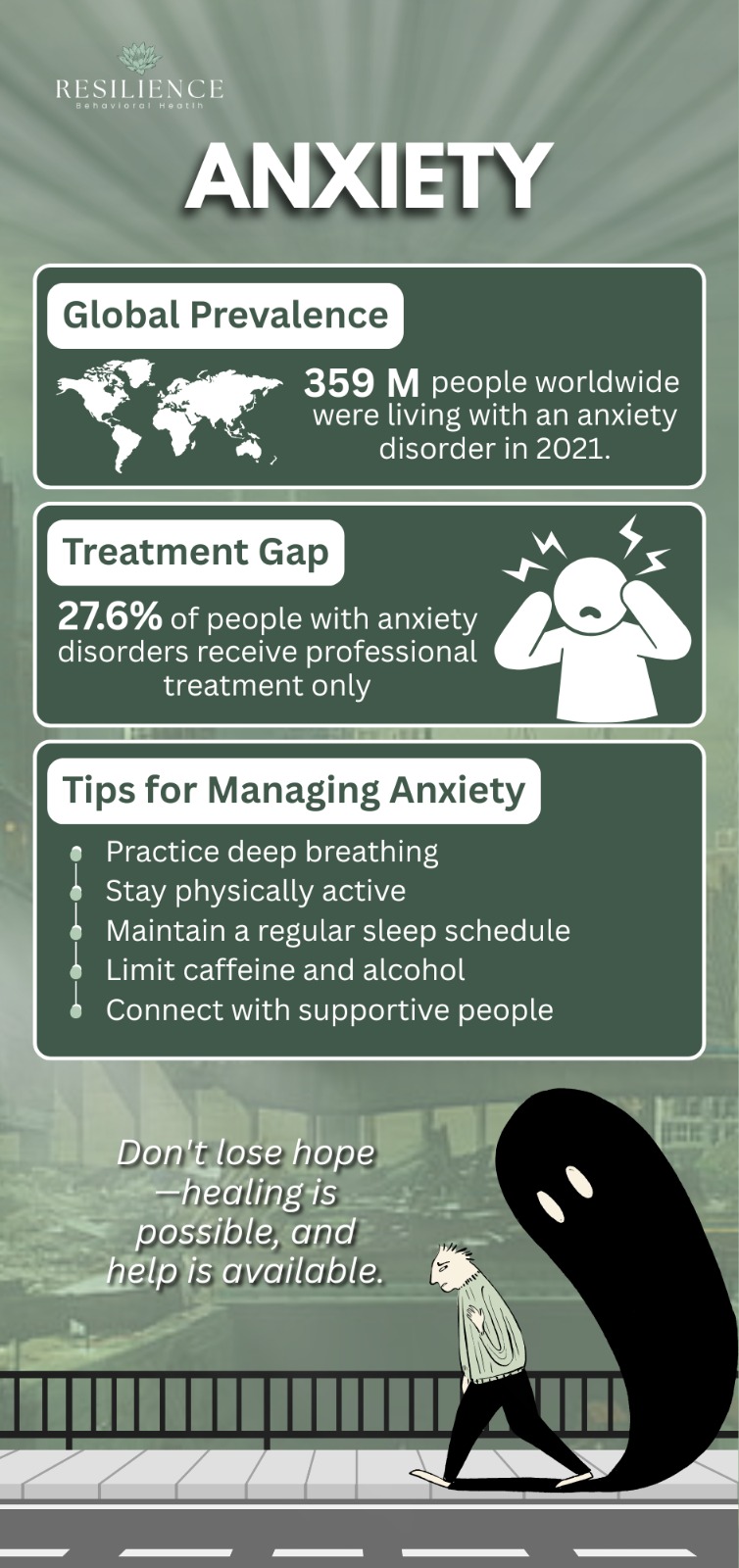
According to the Stats, there is an estimated 4.4% of people currently experiencing anxiety disorder in the world. In 2021, 359 million people had anxiety disorders globally, and it was declared the most common form of all mental disorders.
Many people ignore the early signs by thinking they will vanish by themselves. By taking the right treatment, the therapist helps you to recognize your thought patterns through therapy.
CBT helps patients to identify their negative patterns and replace them with healthier coping strategies. If you are not stable, the psychiatrist also prescribes medication with a specific dose.
Mental health professionals analyze your current emotional health and symptoms. After that, they evaluate your diagnosis and recommend the treatment that best fits the condition. With proper treatment and support, people learn how to manage anxiety and regain balance in their daily lives.
In this blog, we will discuss what anxiety is and what to do when it starts interrupting your daily life, along with the treatment options in New Jersey you can get to regain control.
Understanding Anxiety and Its Impact
What Anxiety Feels Like?
Anxiety feels like constant worry or fear connected to a situation or thought that becomes difficult to control. When a person feels anxious, their heartbeat starts racing, and they feel restless and tense for a long period of time.
Anxiety can also make it difficult to focus and manage daily responsibilities effectively.
Our brain starts processing negative scenarios and repeatedly replays fearful thoughts about the future. It often creates a cycle of “what if” scenarios that increase worry and overthinking.
Physical and Emotional Symptoms
Anxiety affects both mind and body, and it causes emotional as well as physical symptoms. A person experiences a rapid heartbeat, chest tightness, and shortness of breath during anxious moments. Many people experience muscle stiffness and tension in the neck and shoulders because the body remains in a stressed period.
Even after resting or spending time with people, the individuals still feel emotionally drained. They also go through emotional symptoms such as crying spells, mood swings, and negative thought patterns that become difficult to control.
How Anxiety Affects Daily Life?
Anxiety has a strong impact on daily life and routine. Patients find difficulty in managing their work pressure, responsibilities, and daily tasks. Sometimes, you feel stuck on one task because anxious thoughts keep on occupying your mind.
It becomes hard to move on to the next task until you respond or distract yourself from those thoughts.
“Your brain deserves peace, not overthinking.”
Signs That Anxiety is Becoming Serious
There are some signs of anxiety that are more serious and must not be ignored. When anxiety starts affecting daily routine and the ability to function, then professional support becomes crucial.
Anxiety is not only occasional stress, but it also becomes a condition when it starts affecting emotional and physical health over time. A person with severe anxiety feels panic in situations where they normally should feel calm or stable.
Many individuals begin to overanalyze every situation and constantly expect something negative to happen. When the mind stays in a cycle of fear, worry, and “what if” thoughts that become difficult to control, then it is a serious concern.
Why Early Treatment Matters?
Getting timely help for anxiety can create a major impact on a person’s daily life and emotional health. When anxiety symptoms are detected and treated early, it becomes easier to manage the thoughts and prevent them from getting severe.
Anxiety often becomes stronger when hidden thought patterns and emotional stress remain unaddressed. There is constant overthinking of negative thinking patterns that gradually effect persons daily life.
If left untreated, long-term anxiety can lead to headaches, fatigue, and muscle tension. Also, if affect emotionally, your brain develops cycles of thoughts, and it is hard to stop them. When you consider early anxiety treatment, it helps you to understand these patterns before they become deeply stressful.
Structured Mental Health treatment options in New Jersey
1. Intensive Outpatient Programs (IOP)
An Intensive Outpatient Program (IOP) is one of the best treatment options in New Jersey. It offers a structured treatment for individuals going through anxiety while carrying on their daily lives.
People with ongoing anxiety do not feel comfortable staying in a hospital or mental health facility for a long time. In such cases, IOP is a great option because it offers a balance between professional support and personal freedom.
Intensive Outpatient Program includes regular therapy sessions, group counseling, coping skill strategies, and stress management techniques.
2. Partial Hospitalization Programs (PHP)
A Partial Hospitalization Program (PHP) is a mental health treatment program designed for people who need strong daily support. Patients who have moderate symptoms and there is no need to require 24-hour hospitalization.
This treatment is suggested for people experiencing conditions such as anxiety, depression, or past traumas. The anxiety treatment includes individual therapy, group counseling sessions, and medication management.
3. Residential Mental Health Programs
Residential Mental Health Treatment is one of the immediate 24-hour treatment options in New Jersey. The programs offer therapy, coping skills, and medication along with strict supervision.
They are designed for people who need consistent support for emotional stabilization. Patients have to stay at a hospital for a specific duration and follow a structured routine. The main goal is to reduce the patient’s symptoms and achieve long-term recovery.
“Peace begins when you take one step towards treatment.”
Lifestyle Changes That Support Anxiety Recovery
1. Creating a Healthy Daily Routine
It is necessary for people dealing with anxiety to build a healthy daily structure and a consistent routine. A stable routine helps reduce feelings of sadness and worry that trigger anxiety.
When individuals plan their day and follow a balanced schedule, they find themselves calmer and more peaceful. Simple habits such as limiting caffeine intake, reducing screen time before bed, and maintaining proper sleep also help the mind and body feel relaxed.
Planning daily tasks can also reduce feelings of confusion and help you focus better on your work and personal goals.
2. Stress Management Techniques
Stress management techniques can really help when anxiety starts making your daily life stressful. You need to incorporate small habits and healthy coping methods to calm your mind and body.
One of the most helpful things patients need to learn is how to slow themselves down during stressful moments. You can start deep breathing exercises, grounding techniques, and a short walk to relax your mind.
3. Building Emotional Support
People with anxiety must invest in building connections for emotional support. Surrounding yourself with positive people helps you think positively, and it improves your mental health.
By joining support groups, you meet people who have similar struggles and some coaches who will guide you in improving your mental health. You exchange experiences and receive encouragement to help build confidence and hope.
Next Step Towards Healing Anxiety
Anxiety can gradually disturb your daily life when it is left untreated. When anxiety symptoms continue to grow, it becomes more difficult to maintain balance and manage daily responsibilities. Professional mental health treatment options in New Jersey provide structured support through programs such as Intensive Outpatient Program, Partial Hospitalization Program, and Residential treatment.
These programs include therapy, coping strategies, medication management, and stress management techniques to help you manage your anxiety. The licensed therapist helps you to identify your thought patterns and guide you towards responding to your stress. You can add healthy habits to your routine, such as regular exercise, healthy meals, and proper sleep. With consistent support and lifestyle changes, patients can restore emotional balance and improve their quality of life.
If anxiety is disturbing your daily life, then it is important to seek professional help from a Resilience Behavioral Treatment, which offers mental health treatment options in New Jersey.


