

Mental health challenges can affect your daily life without you even realizing you need to address them on time. The mental health struggles can make everyday tasks feel more difficult; that is why you need to track them and get treatment.
Signs Mental Health is Affecting Daily Life
People continue handling daily responsibilities and begin to notice several warning signs. These include constant stress, difficulty focusing, and headaches even after taking a break.
Many individuals feel mentally drained throughout the day, and even when they try to manage work, they still feel anxious the next day. Their sleep patterns become disturbed and interrupted with sudden wakeups. It becomes harder for them to properly rest and concentrate on the next day.
Why is Treatment Important?
Mental Health Treatment Program in New Jersey is important because many individuals feel unsure about how to balance treatment with a consistent work routine. People who postpone their mental health, then it becomes harder for them to focus and stay productive.
When mental health concerns are not addressed, the person will remain stuck with their unresolved traumas and mental health challenges.
This leads to low energy levels and difficulty managing stressful situations, along with coping pressure. With individual therapy, people work on their thought patterns and build healthy patterns to respond in chaotic situations. Early treatment helps prevent symptoms from worsening and allows people to stay more active and focused on managing daily responsibilities.
How You Can Talk to Your Employers About Attending a Mental Health Treatment Program in NJ
You keep showing up at work, managing deadlines, and attending meetings with an exhausted mind. Your emotions feel heavy, and you struggle mentally, but keep a balance by smiling daily while dealing with people. After being diagnosed with a mental health condition, the individual feel difficult to maintain their routine. You have to attend your mental health program in New Jersey that includes scheduled therapy, medical monitoring, and personalized approaches.
Sometimes you need to take time off from work, and sometimes you have to delay your work deadlines and prioritize your mental health. In this case, you need to talk to your employers, but it’s not essential to share your whole story. In most cases, people only need an understanding of your treatment, schedule, and cooperation. You should discuss your individual therapy schedules and work schedules along with a midway point of balancing both in a balance.
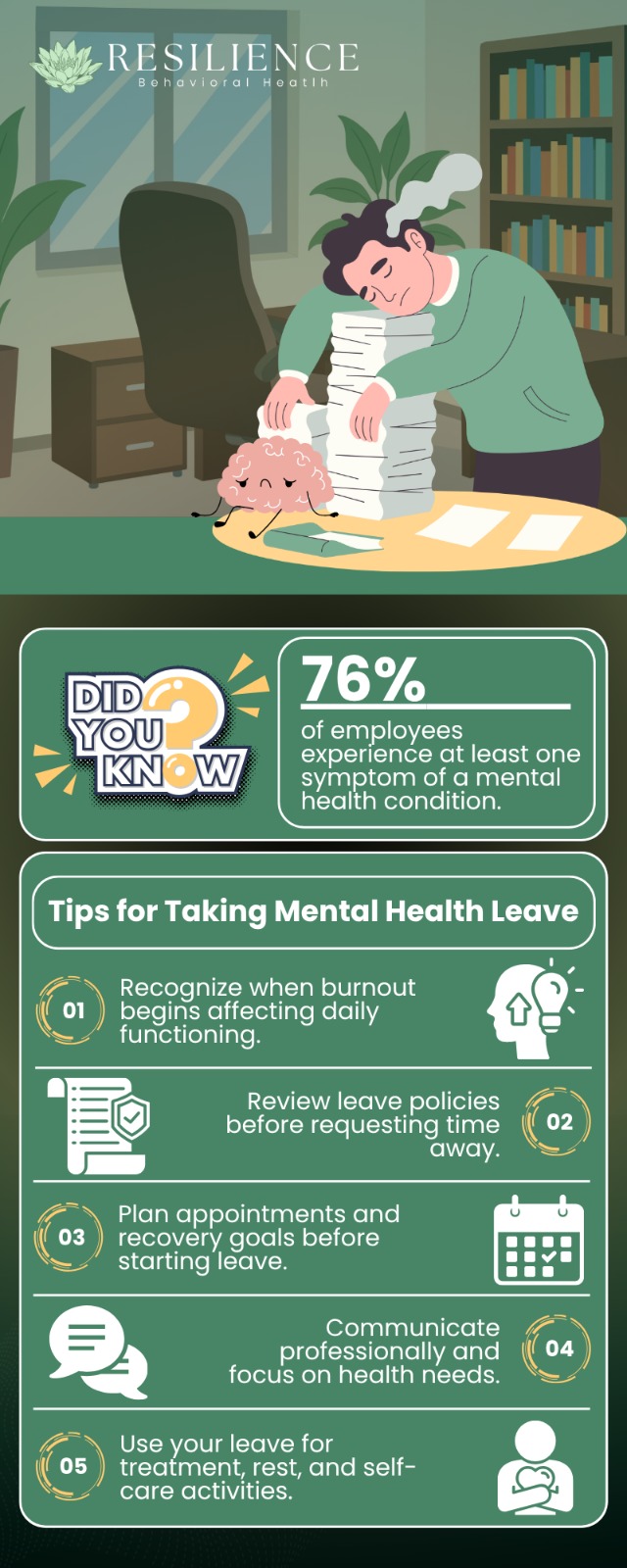
According to the Stats, there are about 91% U.S. workers who have workplace stress, and it is affecting the quality of their work daily. These stats highlight the instant need to manage workplace stress to improve productivity.
Mental health treatment programs in New Jersey help individuals with stress management, anxiety, and depression, along with daily responsibilities.
In this blog, we will help you understand how to talk to your employer about attending a Mental Health Treatment Program in New Jersey while managing your workplace responsibilities.
Understanding the Need for Treatment
“Prioritizing mental health today, better productivity tomorrow.”
Preparing Before Talking to Your Boss
1. Understanding the Treatment Schedule
Before discussing the entire schedule of attending a mental health treatment program in New Jersey, you need to understand your treatment schedule. It is important to understand your treatment schedule so you can manage your work according to it.
Some individuals have to attend regular therapy sessions and counseling appointments to continue their mental health treatment plan. You have to attend sessions several times during the week according to the level of support you are enrolled in.
You must know the total number of therapy sessions and appointments, along with the duration of treatment.
Reviewing Workplace Policies
It is necessary to consider workplace policies before speaking with your employer because every company has different rules and benefits.
First, you need to check if your company offers sick leave or paid leave that you can avail during treatment. These workplace benefits help you attend therapy sessions and outpatient programs with less stress about work.
Secondly, review if your workplace offers flexible scheduling options or shift changes along with remote work opportunities.
Once you understand the company’s policies, it is easier for you to communicate with your employer or supervisors.
“Managing mental health treatment properly does not affect work goals.”
Deciding What to Share
1. Keeping the Conversation Professional
While sharing or discussing treatment details with your employer, it is important to focus only on what is important to share. There is no requirement to explain every personal detail about your mental health condition. You should clearly discuss the treatment schedules and work deadlines adjustments.
2. Treatment Details and Work Adjustments
As an employee, you only need to share the information that is necessary for workplace adjustments and scheduling. It is not important to explain every personal detail about your health treatment.
You just need to share general information about the treatment program, including the expected duration of treatment and the scheduled appointments for therapy sessions.
Choosing the Right Time to Speak
Finding a Private and Calm Setting
The place for the conversation should be calm and free from distractions so that you can discuss your situation comfortably. The setting should be professional so that you can discuss your treatment schedule and work adjustments clearly.
It is also helpful to carry a diary or a laptop for noticing important details and schedules.
Discussing Possible Work Adjustments
During the conversation, it is important to discuss possible work adjustments along with your treatment schedule and working hours. You can also discuss how you manage the temporary shift changes and working hours, which can help you manage both your treatment schedule and work responsibilities.
This helps your employer to understand the exact situation and plan practical work arrangements.
Managing Work While Attending Treatment
Staying Organized
You must keep track of your appointments and work deadlines using a calendar or planner. Also, do inform your employer about schedule changes or adjustments in your treatment. Focus on maintaining a daily routine to balance your treatment and work responsibilities.
You should plan your working hours according to your treatment schedule, such as attending treatment in the evening while working during the day, or adjusting your shifts when needed.
Taking Care of Mental Health During Work
You should take care of your mental health during the treatment. You should prioritize your sleep and other healthy habits, such as journaling, exercise, and deep breathing.
You can manage your work by taking short breaks and avoiding an overload of tasks. It is also important to stay organized and communicate when you are feeling well and need some space.
Returning to Work After Treatment
Many individuals think that you need to bounce back towards your routine. Returning to work after attending the mental health treatment program in New Jersey needs to be gradual and balanced. This guide complements resources for people considering mental health treatment in Elizabeth, NJ while balancing work responsibilities. This resource is especially useful for individuals considering mental health treatment in Hillside, NJ while maintaining their employment. This article offers practical workplace guidance for those considering mental health treatment in Irvington, NJ. This workplace resource provides helpful guidance for individuals considering mental health treatment in Kenilworth, NJ. This workplace-focused guide can help individuals prepare for conversations about pursuing mental health treatment in Linden, NJ. This practical guide can help individuals navigate workplace conversations while pursuing mental health treatment in Maplewood, NJ. This guide offers practical advice for discussing workplace accommodations while pursuing mental health treatment in Rahway, NJ. This workplace-focused guide offers valuable advice for individuals considering mental health treatment in Roselle, NJ.
You need to start it by slowly rebuilding your focus and productivity instead of taking too much workload at once.
In stressful situations, you can use coping strategies to stabilize and respond positively. It is also important to regularly track your stress levels and take breaks when needed.
Final Thoughts
Talking to your employer about the Mental Health Treatment Program in New Jersey can feel difficult for many workers. With the proper planning and clear communication, you can make the conversation easier and more comfortable.
You should share general details about your treatment and how you will adjust your schedule. From choosing a quiet place to discuss the treatment details to fit your work. In a planned way, you can manage your mental health challenges along with work.
If you are planning to talk to your employer about mental health treatment in New Jersey, you can take guidance about treatment from the Resilience Behavioral Health website.


