

How Does Untreated Mental Health Impact Addiction Recovery?
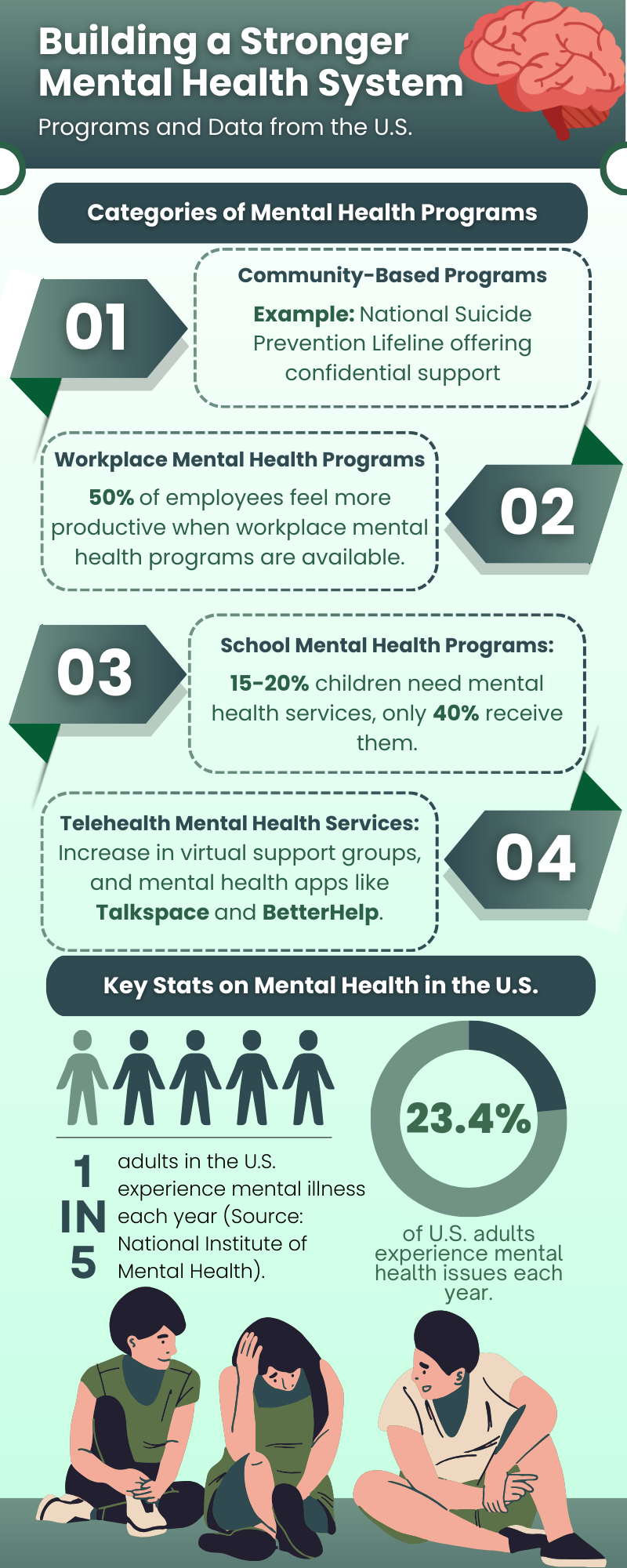
When mental health stays untreated, the relapse risk rises. People use substances to escape symptoms they don’t fully understand. Then shame grows, and the cycle tightens.
SAMHSA notes strong links between mental illness and substance use, including a higher risk of substance use problems among people with mental health conditions. That’s why relapse prevention strategies should include mood and stress planning, not just “avoid cravings.”
Signs Mental Health Is Driving Relapse Risk
- Sleep problems that never resolve
- Increased irritability or numbness
- Isolation and reduced peer support
- Conflict at home and work
- “I can’t do this sober,” thoughts
What Role Does Therapy Play In Men’s Rehab in Bernardsville, NJ?
Therapy is not just talking. It is training. It helps you notice patterns, interrupt them, and build better responses under pressure.
Many men respond well to structured methods like CBT and DBT, which teach practical skills for thoughts, emotions, and behavior. The Good Men Project article highlights CBT and DBT as helpful therapies for men in addiction treatment contexts.
CBT And DBT
- CBT helps you challenge distorted thinking and build healthier habits.
- DBT helps you tolerate distress and improve communication skills when emotions spike.
Holistic Approaches That Strengthen Men’s Rehab, Bernardsville, NJ
Strong recovery also needs body-based support. Sleep, nutrition, movement, and stress regulation change how cravings feel. When the body stabilizes, the mind often follows.
Holistic methods can complement therapy by strengthening resilience and daily structure. The Good Men Project piece describes holistic supports such as mindfulness, exercise, nutrition, and creative therapies.
Practical Holistic Supports
- Mindfulness and meditation for calmer reactions
- Exercise and nutrition to stabilize energy and mood
- Art therapy or music therapy for safe emotional expression
- Outdoor activities to reset stress and support routine
- Life skills training to rebuild daily confidence
How A Men’s Rehab in Bernardsville, NJ, Can Integrate Mental Health Care
Integrated care starts with assessment. The team looks at substance use history, mental health symptoms, and daily functioning. Then the plan becomes personal, not generic.
SAMHSA describes integrated approaches for co-occurring disorders, which help programs align therapy, groups, and support services. A personalized treatment plan reduces guesswork and supports steadier progress.
What Integrated Care Can Include
| Program Element | What It Helps With |
| Assessment and diagnosis | Identifies needs linked to co-occurring disorders |
| Individual therapy | Targets triggers, beliefs, and goals |
| Group counseling | Builds peer support and shared coping strategies |
| Medication support (when appropriate) | Helps stabilize symptoms under clinical guidance |
| Relapse prevention planning | Builds structure and real-world safeguards |
 For leaders balancing high pressure with hidden struggles, explore our latest blog: “Saddle River High-Functioning IOP For Executive Mental Health Saddle River.”
How Men Can Overcome Barriers To Getting Help
Many men face practical barriers. Time, money, and work schedules can feel immovable. Yet the emotional barriers often cut deeper, especially the fear of being judged.
Programs can reduce friction by offering clear next steps, flexible scheduling, and support without shame. When the first call feels respectful, men are more likely to keep going.
Common Barriers And Straight Answers
- Fear of looking weak: Choose care that treats you with dignity.
- Work concerns: Ask about flexible options and scheduling.
- Cost stress: Request insurance verification and payment clarity.
- Uncertainty: Start with a simple assessment and a plan.
The Importance Of Support Systems For Men In Recovery
Recovery rarely holds without connection. Even strong-willed people need support when stress hits. A solid network can reduce isolation and help you catch slips early.
Support can include peers, family, and community connections. When a program helps rebuild a family support system and strengthen accountability, men often feel less alone and more capable of long-term change.
Healthy Support Can Come From
- Peer groups and alumni connections
- Family sessions are safe and appropriate
- Community recovery meetings
- Trusted friends who support boundaries
Men’s Dual Diagnosis Recovery: 10-Year Study Success From New Hampshire
The New Hampshire Dual Diagnosis Study followed 130 men (76% male) with schizophrenia and substance use disorders over 10 years. At baseline, most abused alcohol (83%) and cannabis (48%), with high hospitalization rates (52%).
After integrated treatment, substance abuse dropped dramatically—65% achieved remission by year 10, 39% abstinent 6 months. Hospital stays fell to 20%, homelessness to 9%, competitive employment rose to 41%, and 58% reported life satisfaction.
Symptoms improved steadily, proving Men’s Rehab, Bernardsville, NJ, style care works long-term. (Drake et al., Schizophrenia Bulletin, 2006, PMC2632251)
Getting Started With Men’s Rehab, Bernardsville, NJ
Men deserve care that sees the full picture. Addiction often hides deeper pain like stress or trauma. At Resilience Behavioral Health, Men’s rehab in Bernardsville, NJ, treats both. You build strength that lasts.
If alcohol or drugs have become your stress plan, it is time for a better plan. Men’s rehab in Bernardsville, NJ can help you rebuild routines, treat mental health symptoms, and restore trust with the people who matter.
Recovery strengthens when mind and body align. Untreated mental health raises relapse risk. However, integrated programs change that. Men learn skills for real life, not just survival.
Resilience Behavioral Health can help you take the next step with clarity and respect. Reach out to ask questions, explore options, and start a path built for long-term recovery success—not short bursts of willpower.


