Name(Required)

Summit Anxiety & Panic Disorder Treatment – Anxiety IOP Summit NJ That Helps You Feel Steady Again

Summit Anxiety & Panic Disorder Treatment – Anxiety IOP Summit NJ That Helps You Feel Steady Again

Panic Attacks That Come Out of Nowhere? Why Your Body Feels Unsafe

The only thing we have to fear is fear itself.” —Franklin D. Roosevelt, First Inaugural Address (1933). 

And this line fits panic perfectly because panic often feels like danger even when you are safe. Each year, up to 11% of people experience a panic attack, which means you are far from alone. 

Panic can feel like it comes out of nowhere. One minute you are fine, and the next you are shaking, sweating, and sure something terrible is happening. However, panic attacks and panic disorder are treatable, and you do not have to keep pushing through alone.

Panic attacks can trigger a racing heart, fast breathing, sweating, and intense fear, while panic disorder involves repeated, unexpected attacks and ongoing worry about having another. 

At Resilience Behavioral Health, we support people who want real relief and clear steps forward. If anxiety has started to shrink your life, an Anxiety IOP Summit NJ plan can give you structure, skills, and steady support while you keep living at home.

In this guide, you will learn what an Anxiety IOP Summit NJ plan looks like, how treatment works, and the exact steps that help you feel steady again.

Overview

A panic attack is a sudden surge of intense fear with strong body symptoms, even when the situation is not dangerous. Your heart may race, your breathing may speed up, and your mind may jump to the worst conclusion. Because these symptoms feel physical, many people worry they are having a medical emergency.

Panic attacks are also the main feature of panic disorder, which involves repeated, unexpected attacks and ongoing worry about having more. Still, not everyone who has a panic attack develops panic disorder. That is why a proper assessment matters before choosing treatment.

What Is Anxiety IOP Summit NJ?

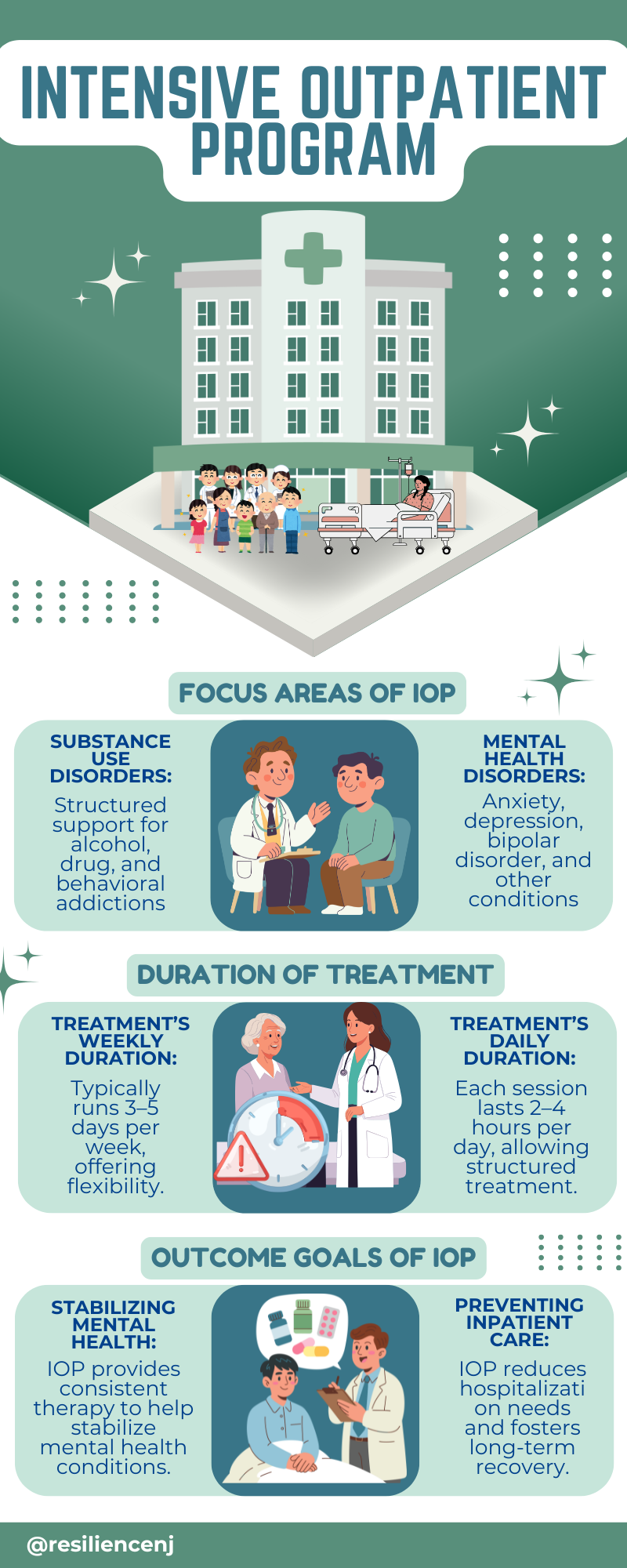
An Intensive Outpatient Program is a structured level of care that meets several times per week. It is more supportive than weekly therapy, yet it still lets you sleep in your own bed. That balance helps many people build change without stepping away from daily responsibilities.

In an Anxiety IOP Summit NJ setting, you practice coping skills often enough for them to stick. Then you take those skills back into real life between sessions. Over time, that practice builds confidence, not just insight.

Panic Attack Vs Anxiety Attack: What Is The Difference?

Anxiety often builds gradually. It can feel like a rising tide of worry that lasts a long time. The physical symptoms can be uncomfortable, yet they are usually less intense than panic.

In contrast, a panic attack tends to hit suddenly. It peaks quickly, and it feels overwhelming. Even so, it is temporary. Learning this difference can lower fear, which often lowers symptoms.

Symptoms And Causes

Panic attacks can be frightening because the body reacts as if danger is present. Your nervous system shifts into a fight-or-flight response. Then your mind tries to explain the feeling, and it often assumes the worst. However, panic symptoms are not a character flaw. They are a body-and-brain pattern that can be retrained.

Panic attacks can happen on their own, or they can happen alongside other conditions such as generalized anxiety, depression, trauma-related symptoms, or substance use. That is why we look at the whole picture at Forrest Behavioral Health, not just the moment of panic.

What Are The Symptoms Of A Panic Attack?

Panic symptoms can vary, yet many people report a similar mix of body sensations and intense fear. Common physical symptoms include:

  • Chest discomfort or tightness
  • Racing heart
  • Shortness of breath or hyperventilation
  • Sweating and shaking
  • Chills or hot flashes
  • Nausea or stomach upset
  • Tingling or numbness in hands or feet
  • In addition, many people feel:
  • Intense terror
  • Fear of losing control
  • Fear of dying
  • Derealization (things feel unreal) or depersonalization (feeling detached from yourself)

If these symptoms are new, severe, or come with chest pain and fainting, seek emergency medical care first. After safety is confirmed, treatment can focus on long-term relief.

How Long Can A Panic Attack Last?

Most panic attacks peak within about ten minutes and resolve within twenty minutes. Still, the “after-shock” can last longer. You may feel tired, shaky, or on edge for hours. That lingering feeling often fuels fear of the next attack.

Because of that, treatment does not only address the attack itself. It also addresses the worry cycle that follows, which is a major part of panic disorder.

What Causes Panic Attacks And Panic Disorder?

Experts do not always know one single cause. However, panic often involves a sensitive fear system, high stress load, and learned reactions to body sensations. In simple terms, the body sounds an alarm, and the mind learns to fear the alarm itself.

Chemical factors can also play a role. Sleep loss, caffeine, alcohol, and ongoing stress can make the nervous system more reactive. Therefore, a strong plan includes both therapy skills and lifestyle support.

What Triggers Panic Attacks?

Some people have clear triggers, such as medical settings, crowds, driving, or specific phobias. Others do not notice a trigger at all. In panic disorder, attacks often feel unexpected, which can make them scarier.

For many people, the fear of having a panic attack becomes a trigger by itself. That is why learning to respond differently to the first wave of symptoms is so important.

Diagnosis And Tests

Panic symptoms can look like other medical issues, so the first step is safety. A healthcare provider may review your symptoms and history and run tests to rule out conditions such as heart, thyroid, or respiratory problems. That process is not overreacting. It is responsible care.

Once medical causes are ruled out, mental health providers can evaluate for panic disorder and related conditions. In our work at Resilience Behavioral Health, we also look for trauma history, depression symptoms, substance use patterns, and sleep problems, because these often connect to panic.

Why An Assessment Matters Before Anxiety IOP Summit NJ

A good assessment prevents guesswork. It clarifies what you are dealing with, and it helps match you to the right level of care. Some people thrive in weekly therapy. Others need more structure, and that is where Anxiety IOP Summit NJ support can fit well.

If you are unsure, start with a confidential conversation. Our team can help you understand options, discuss symptoms, and plan next steps with clarity.

Management And Treatment

The best treatment plan is practical. It should help you feel better now while also reducing long-term relapse of symptoms. Therapy, medications, or a combination can be effective. Treatment length depends on severity and response, so it should remain individualized.

At Resilience Behavioral Health, our goal is simple. We want you to feel safe in your body again. We also want you to trust your mind again. That is why we focus on skill-building, not just symptom labeling.

How Anxiety IOP Summit NJ Supports Panic And Severe Anxiety

An Anxiety IOP Summit NJ schedule provides consistent support each week. That matters because panic often improves through repetition and practice. When you learn a skill once, it helps. When you practice it many times, it becomes reliable.

IOP also gives you space to test your tools in daily life, then return to process what worked and what did not. As a result, progress feels steady instead of random.

Therapy Options That Help Panic

Two therapy approaches are especially common for panic symptoms:

Cognitive Behavioral Therapy (CBT): 

CBT helps you identify fear-driven thoughts and change how you respond. Over time, the body learns that the sensations are uncomfortable but not dangerous.

Exposure Therapy: 

Exposure therapy helps you face triggers gradually and safely. As you repeat the exposure, fear often decreases, and confidence grows.

Intensive Outpatient Program IOP Resilience New Jersey NJ

These approaches work best when the pace feels manageable. Treatment should challenge you, yet it should not overwhelm you.

Medication Options (When Appropriate)

Medication is not always required, but it can help some people stabilize enough to do therapy effectively. Common medication categories include antidepressants and anti-anxiety medications. Because some anti-anxiety medications can become habit-forming, careful medical guidance is important.

Medication Type How It May Help Important Note
Antidepressants (SSRI or SNRI) Can reduce panic frequency and intensity Often takes weeks to feel full effect
Anti-anxiety medications (often benzodiazepines) Can reduce acute anxiety Can be habit-forming, so use cautiously

If substances are also involved, medication decisions should be especially thoughtful. That is another reason integrated care matters.

➡️ Continue reading: if you’re supporting a partner, friend, or family member, explore our latest guide, “Bernardsville Men’s Addiction & Mental Health Program,” to see how whole-person care helps men break the cycle and rebuild confidence.

Outlook / Prognosis

With treatment, most people with panic attacks or panic disorder improve. Symptoms often become less frequent and less intense. Over time, many people regain confidence in driving, working, traveling, and social situations.

Without treatment, panic disorder can shrink life. People may avoid places, skip opportunities, and withdraw from relationships. Therefore, getting help early is not dramatic. It is smart.

Prevention

Prevention does not mean controlling every situation. It means lowering your risk and strengthening your response. Small daily habits can reduce nervous system overload, and that often reduces panic frequency.

Helpful prevention steps include limiting caffeine, avoiding alcohol misuse, and building regular movement and sleep routines. Stress management matters too, because chronic stress primes the body for panic.

Living With Panic

When panic starts, you do not need perfect control. You need a simple plan that brings your nervous system down. Then your mind can follow. The goal is not to “fight” panic. The goal is to ride it out safely while staying grounded.

If you want a clear plan tailored to your symptoms, reach out to Resilience Behavioral Health. A supportive program like Anxiety IOP Summit NJ can help you practice these steps until they feel natural.

How To Get Through A Panic Attack In The Moment

  1. Name it: “This is a panic attack, and it will pass.”
  2. Slow your breathing, then lengthen your exhale.
  3. Relax muscle groups one at a time, keeping your shoulders down.
  4. Ground yourself using the five senses: see, touch, hear, smell, taste.
  5. Stay present until symptoms peak and fade.

How To Help Someone Having A Panic Attack

  • Stay with them and remain calm
  • Speak in short, clear sentences
  • Encourage slow breathing with a gentle count
  • Reassure them that they are safe, and the attack is temporary

Case Study: Structured CBT Helped People With Panic Disorder Improve

Panic can feel like a medical emergency, especially when the heart races. Even so, research shows that structured therapy can reduce panic symptoms safely.

United States study used an adapted cognitive behavioral therapy program for adults with panic disorder and stable coronary artery disease. Participants received 14 to 17 individual sessions, and most completed treatment and follow-up.

  • Setting And Population: Adults with panic disorder plus stable coronary artery disease.
  • What The Program Used: Cognitive behavioral therapy sessions with planned exposure practice.
  • Key Outcome: The paper reported an 83% remission rate at post-treatment and at 6-month follow-up.

Getting Started With Resilience Behavioral Health

Panic does not mean you are broken, and it does not have to run your life. 

If anxiety is steering your choices, what would change if you had a clear plan and a team beside you? 

At Resilience Behavioral Health, we help people learn skills that calm the body, steady the mind, and make daily life feel possible again. 

You can practice real tools, build confidence step by step, and stop letting fear decide your next move. Ready to talk through options and find the right level of care? 

Contact Resilience Behavioral Health today and take the first step toward feeling grounded again.