

What Happens When Post-Partum Depression Goes Untreated?
There’s no pause button after childbirth when exhaustion collides with fear, sadness, anxiety, and overwhelming responsibility for a new life.
Many mothers expect joy, yet quietly experience despair, guilt, intrusive thoughts, or emotional numbness they never anticipated or planned for. This disconnect leaves countless women believing something is wrong with them rather than recognizing a common, treatable mental health condition.
Post-partum mental health struggles are not rare exceptions but predictable outcomes of biological, psychological, and social stressors surrounding childbirth.
Despite medical advances, maternal mental health remains one of the most underdiagnosed and undertreated areas of healthcare in New Jersey today.
The absence of specialized intensive outpatient programs for postpartum individuals represents a massive and dangerous gap in care delivery statewide.
Why Maternal Mental Health Truly Matters
Maternal mental health directly shapes the physical, emotional, and developmental outcomes of mothers, infants, families, and entire communities.
According to the American Medical Association, one in five women experience a mental health condition during pregnancy or the postpartum period.
That statistic alone makes perinatal mental health conditions the most common complication associated with pregnancy and childbirth nationwide.
Even more alarming, approximately seventy-five percent of women experiencing perinatal mental health conditions never receive appropriate treatment or support. This treatment gap persists despite routine screening, highlighting systemic failures in follow-up, referral access, and service availability across healthcare systems.
Untreated maternal mental health conditions contribute to worsening symptoms, impaired functioning, and increased risks of long-term psychiatric disorders.
Suicide and drug overdose are now leading causes of maternal death in the first year following childbirth in the United States.
These deaths are largely preventable when timely, structured, and specialized mental health interventions are made accessible to postpartum individuals.
Understanding Post-Partum Depression Beyond the Myths
Post-partum depression extends far beyond temporary mood changes commonly labeled as baby blues after childbirth.
It involves persistent sadness, anxiety, emotional detachment, sleep disruption, appetite changes, and difficulty bonding with the infant. Many mothers also experience intrusive thoughts, intense guilt, shame, or fear of being judged as inadequate or dangerous caregivers.
National data indicates that ten to twenty percent of women experience postpartum depression or significant depressive symptoms after delivery.
Anxiety disorders occur at similar rates, frequently co-occurring with depression and amplifying distress and functional impairment during recovery.
In New Jersey specifically, state surveillance data reports that approximately 10.6% of postpartum mothers experience depressive symptoms. This figure represents thousands of families annually struggling with emotional pain during a period traditionally associated with support and celebration.
The Invisible Crisis in New Jersey’s Maternal Care System
New Jersey conducts postpartum depression screening, yet screening alone does not guarantee access to meaningful or timely treatment.
Many mothers who screen positive reports receive no referrals, delayed appointments, or services incompatible with postpartum realities.
Transportation barriers, childcare needs, insurance limitations, and stigma further restrict access to consistent mental health care. Racial and socioeconomic disparities compound this crisis, with marginalized communities experiencing higher symptom burden and fewer treatment options.
New Jersey data shows postpartum depressive symptoms among Black and Hispanic mothers alongside increased barriers related to cost and coverage.
Despite high population density and birth rates, New Jersey lacks dedicated maternal mental health intensive outpatient programs statewide.
Mothers are often left choosing between insufficient weekly therapy or inpatient hospitalization when symptoms escalate dangerously.
This missing middle level of care places families at unnecessary risk and strains emergency and inpatient healthcare systems.
Without such programs, many mothers fall through cracks between obstetric care and general mental health services.
Why an Intensive Outpatient Program Changes Everything
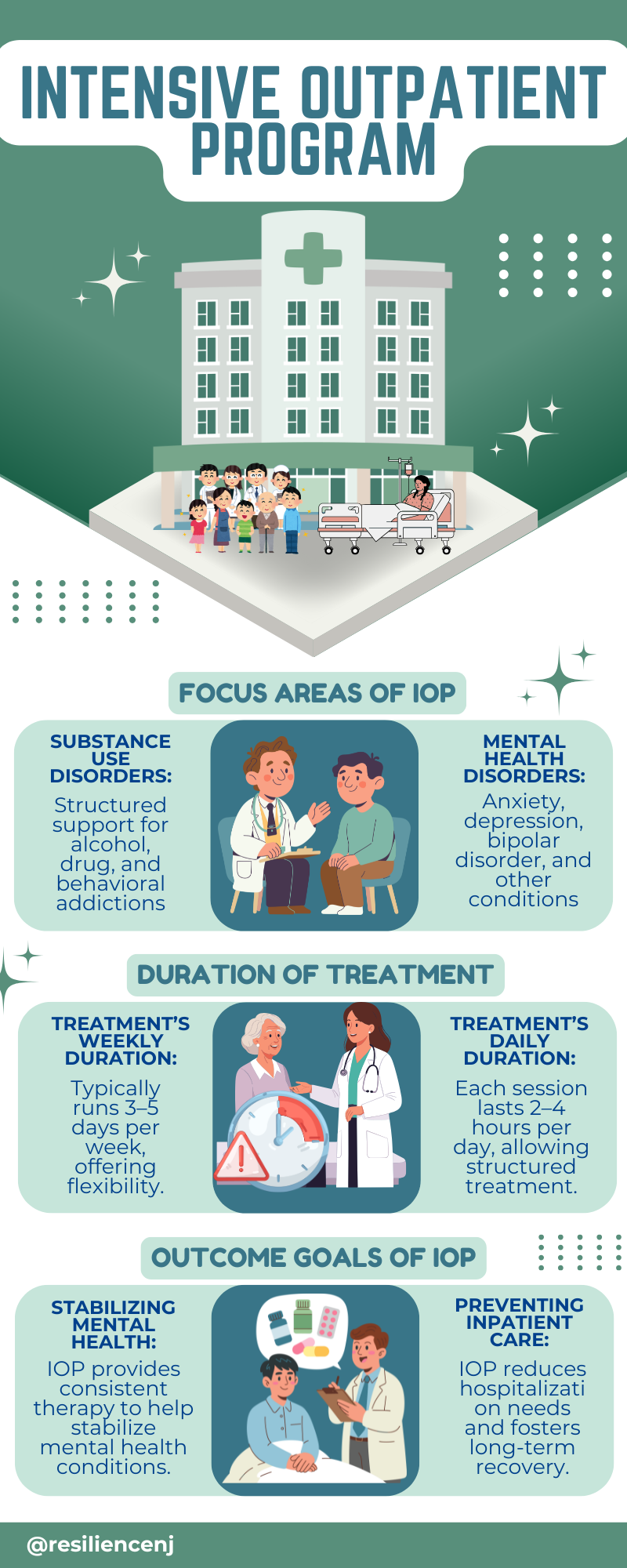
An intensive outpatient program offers structured, frequent therapeutic care without requiring hospitalization or complete life disruption.
This level of care is especially critical during postpartum months when symptoms fluctuate rapidly and stressors remain constant.
IOPs provide multiple therapy sessions weekly; creating stability, accountability, and momentum during fragile recovery periods.
Clinical research shows that structured cognitive behavioral interventions can reduce postpartum depression and anxiety risk by over seventy percent. These outcomes highlight the power of early, sustained intervention compared to fragmented or delayed outpatient care models.
An effective maternal mental health IOP integrates therapy, psychiatric support, peer connection, and care coordination simultaneously. This integrated approach addresses emotional symptoms while supporting parenting adjustment, identity changes, and relationship stressors.
Maternal Mental Health Extends Beyond Depression Alone
Post-partum depression represents only one aspect of the broader maternal mental health spectrum.
Post-partum anxiety disorders affect 8% to 20% of women and frequently remain undiagnosed or misattributed to normal worry.
Obsessive-compulsive symptoms, including intrusive harm thoughts, affect up to 17% of postpartum individuals in some studies.
Post-partum psychosis, though rare, occurs in approximately one to two cases per one thousand births. This condition constitutes a psychiatric emergency requiring immediate specialized intervention and coordinated care planning.
Without accessible intensive programs, families managing complex symptoms often reach crisis before receiving adequate support.
IOPs serve as a protective bridge – preventing deterioration, reducing hospitalization, and long-term psychiatric consequences.
The Long-Term Impact of Untreated Post-Partum Mental Health Conditions
Untreated postpartum depression significantly increases the likelihood of chronic depression years after childbirth. Women experiencing untreated symptoms also face higher rates of physical health problems and reduced quality of life long-term.
Children of mothers with untreated postpartum depression experience higher risks of emotional, behavioral, and developmental difficulties. Early bonding disruptions can affect attachment patterns, emotional regulation, and cognitive development throughout childhood.
Families also experience strained relationships, increased conflict, financial stress, and reduced overall household functioning.
The societal cost of untreated maternal mental health conditions far exceeds the investment required for early intervention programs.
How a Maternal Mental Health IOP Should Function
A successful maternal IOP combines evidence-based therapy, psychiatric evaluation, and peer support within a flexible, accessible structure.
Sessions must accommodate postpartum realities, including fatigue, childcare needs, and fluctuating schedules.
Telehealth and hybrid models improve accessibility while maintaining clinical consistency and engagement.
Regularly measuring results helps take responsibility, prove what works, and keep making the program better.
This structure creates safety, predictability, and hope during a period often marked by chaos and isolation.
Where Compassion Meets Clinical Leadership
Organizations like Resilience Behavioral Health understand that maternal mental health care requires humanity alongside clinical expertise.
Effective programs do not simply treat symptoms but restore confidence, connection, and functional stability for new parents.
When care systems acknowledge postpartum realities, mothers no longer feel invisible or dismissed during their most vulnerable moments.


