

High-Functioning Anxiety in New Jersey: When to Seek More Support
There’s an odyssey that nobody writes epics about. It does not cross wine-dark seas or descend into the underworld. It rides on a 6:47 train across the Raritan Valley before anyone else gets there, shows up at all of the meetings, picks up the kids, cooks dinner, and repeats the process on Tuesday.
It wouldn’t appear that this story’s hero is currently embroiled in a crisis. They’re all like someone who has it all together. That is the oldest trick exhaustion knows. To wear the face of competence so convincingly that even the person wearing it forgets it is a mask. That is the oldest trick exhaustion knows. To wear the face of competence so convincingly that even the person wearing it forgets it is a mask.
In case you have been on this journey longer than you can recollect, this article is for you, about the journey you have been on and what it has cost you.
What High-Functioning Anxiety Is Really About
High-functioning anxiety is not in the DSM. It does not have a formal clinical diagnosis. It is marked by a constant low-level stream of worry, perfectionism, overthinking and pleasing people under a facade of competence. It does not make the person who owns it fall apart. They are pretty successful, at least in terms of what’s on the surface. And that is precisely what makes it so difficult to name and so easy to ignore.
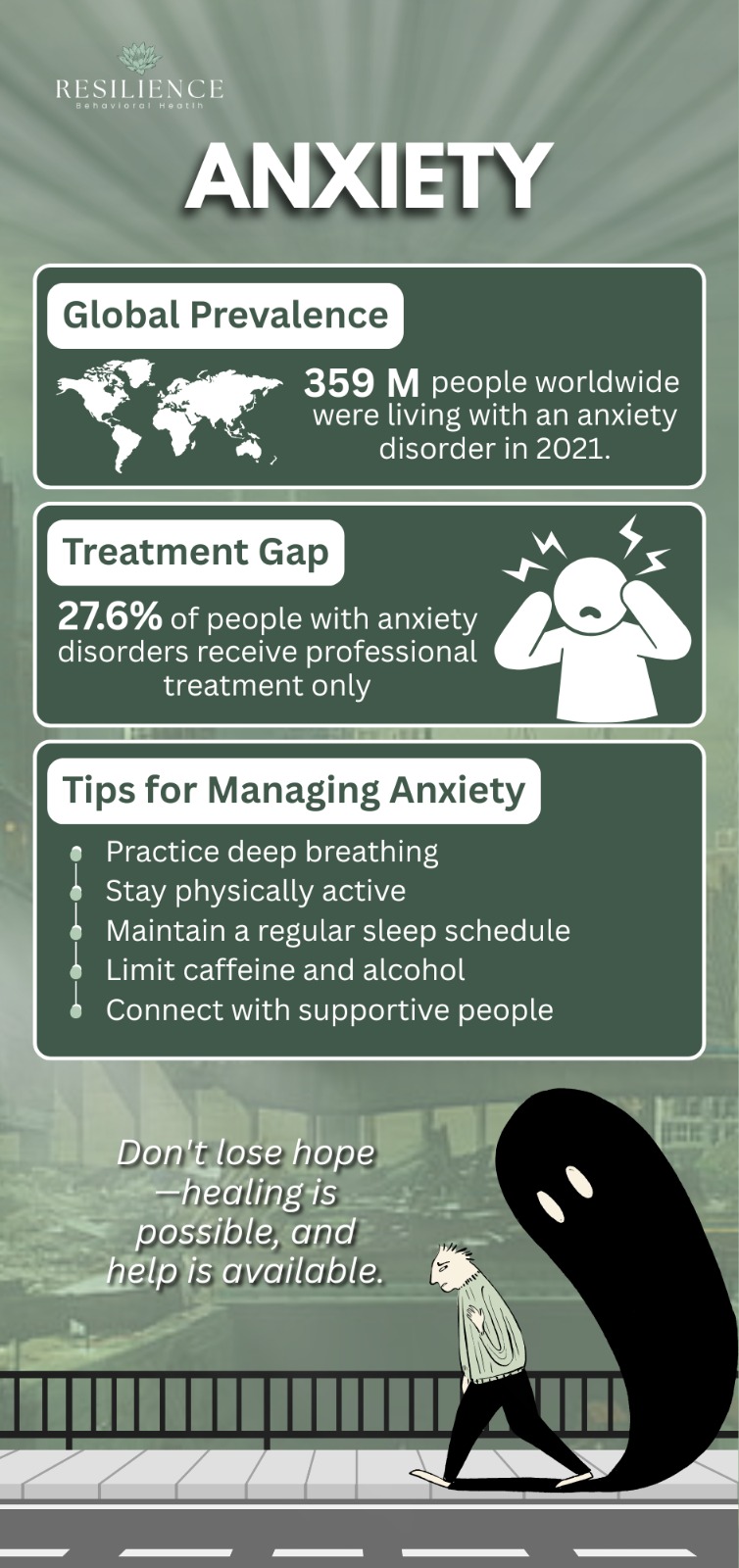
The numbers are worth sitting with. According to the National Institute of Mental Health, 19.1% of U.S. adults had an anxiety disorder in the past year. However, only 36.9% of those who experience anxiety symptoms seek treatment. The high-functioning subset is the small group that is least likely to be counted because they are working harder to seem like they aren’t suffering.
The New Jersey Factor
New Jersey is one of the most crowded, expensive, and stressful states in the nation. Overcommitment is not considered “pathological” here. It promotes it. It admires the person who never stops, never delegates, and never admits to struggle.
One in four adults (27.7%) and over one-third (13.3%) of adults ages 18-29 here had symptoms of anxiety or depression. This is the segment of the population that is in the same meetings, driving on the same highways, and coaching the same youth soccer team as everyone else. High-functioning anxiety is rewarded in the world as the productive, the vigilant, the non-stopper.
What It Looks Like From the Inside
It’s a never-ending process on the inside. It’s the dialogue that is practiced three times before and repeated twice after. It isn’t awake at 2 a.m. because something is wrong; rather, the mind can’t find the switch to turn it off. It manifests in headaches, stomach issues, and never being able to settle.
The physical dimension is also real and chronic. Muscle tension, disrupted sleep, persistent headaches, and gastrointestinal distress are common expressions of anxiety that almost never get attributed to anxiety by the person carrying them. They get attributed to work, to diet, to getting older.
Moreover, the internal logic stays intact: this is just how driven people feel. High achievers are supposed to be tired. That logic is worth examining directly, because it is the anxiety itself, explaining why it should be allowed to stay.
When the Functioning Starts to Cost Something
There is a point where high-functioning anxiety becomes a different problem. Not a louder one, necessarily. Often quieter. But different in kind.
It is the glass of wine that became the reliable end to every day. The snapping at a spouse over something small. The plans declined not because of a conflict but because the energy required to be present simply wasn’t there.
This is the erosion. It happens gradually, and then it is simply there. Mental health professionals are clear on this point: waiting until things are catastrophic to seek care is the equivalent of waiting for a heart attack to address your cholesterol.
What More Support Looks Like In New Jersey
Not everyone with high-functioning anxiety needs an intensive outpatient program. Some people need a better therapeutic match or a more consistent schedule. For those who have tried weekly therapy and found that the gap between sessions is exactly where the anxiety lives and operates. More structured support exists, and in New Jersey, it is more accessible than most people realize.
New Jersey’s density and pace make flexibility a clinical necessity. Evening and virtual IOP formats exist precisely because long commutes and packed schedules make traditional daytime appointments difficult to sustain.
An IOP provides nine to fifteen hours of structured clinical support each week, including group therapy, individual counseling, and skills training without requiring a person to leave their life behind. The work still gets done. The children still get picked up. The only thing that changes is the amount of support available while all of it is happening.
How Resilience Behavioral Health Can Help
Not every facility is built for the person who is still functioning. Many are designed for the person who has already stopped. Resilience Behavioral Health of New Jersey is different in that specific way.
In Union, New Jersey, Resilience provides a full continuum of care from partial to intensive outpatient to standard outpatient counseling services, matching the level of support to where the individual is. That distinction is important to the high-functioning person who has been doing a good job of hiding an unmanageable inner life.
Our IOP and evening IOP options are particularly relevant here. Evening programs are a reality because NJ commuters, professionals, and parents are not always able to adjust their lives to a day schedule. The treatment does not demand the life, but it moves around life. That’s not a small thing for a person who has been experiencing anxiety, partly because they are afraid of losing control over their responsibilities.
You Do Not Need to Capsize to Deserve a Harbor
The odyssey has been long. The person reading this has navigated every obligation, every expectation, every room that needed them to be present and composed and fine. That navigation is not proof that they are fine. It is proof they are capable, and that capability deserves to be supported, not simply sustained until it breaks.
You do not need to arrive at a crisis to ask for more. You need to make one call. Reach Resilience Behavioral Health at (908) 263-1332, or verify your insurance directly on our website before your first conversation.


