

Transitional Living After Mental Health Discharge: What to Expect in Step-Down Care
The discharge papers are ready and signed.
The hospital stay has ended.
However, instead of relief, a common query follows:
“What happens next?”
It’s a significant deal to leave inpatient mental health care. Even if you’re ready to leave the hospital, initiating outpatient therapy might be scary. That’s why it’s so vital to have a plan for transitional living and step-down care. It makes the journey from treatment to living on your own easier.
Transitional housing gives patients who require extra help after being in the hospital a safe, stable place to stay. Resilience Behavioral Health offers programs, like halfway house for mental health or sober living facilities, that give you structure and supervision when you’re most vulnerable. Most importantly, they allow you time to keep recuperating without having to do everything by yourself.
Step-down care helps you get back to your normal life by helping you create new habits, learn how to deal with stress, and feel better about yourself. It’s not about getting independence quickly; it’s about putting safety, stability, and long-term mental health first.
In this piece, we’ll talk about what step-down care actually is and how staying in a transitional home after leaving the hospital can help you stay healthy for a long time.
What Is Step-Down Care After Mental Health Treatment?
Step-down care is precisely what it sounds like: a gradual reduction in clinical severity while still providing structure, accountability, and therapeutic support. It’s designed for individuals who no longer need 24-hour inpatient treatment but aren’t quite ready to return home on their own.
The Role of Step-Down Care in Recovery
Step-down care provides a gradual transition that includes:
- Ongoing treatment and mental health supervision
- Regular timetables that foster consistency
- Providing training in basic life skills
- A secure setting that promotes responsibility through the use of peer support
With this method, people can get continuous assistance as they recover, which helps them build self-confidence and coping skills.
This phase is frequently characterized by increased clinical supervision, improved privacy, and individualized treatment, particularly in more specialized programs; yet, many compare it to a halfway house for mental health.
What Is Transitional Living for Mental Health?.
Transitional living is a residential alternative that combines freedom with professional help. Residents live in a setting similar to their homes, unlike inpatient care. And unlike going straight home, residents have the ongoing help and guidance they need and are not facing recovery alone. This article on transitional living highlights ongoing recovery strategies that often complement care provided through an IOP in Fort Lee, NJ.
Transitional Living vs. Sober Living Mental Health Programs
While sober living mental health institutions primarily focus on drug abuse treatment, transitional living programs frequently provide complete care for a broader range of needs, including:
- Mood disorders, such as anxiety, depression, and bipolar disorder.
- Trauma and PTSD recovery
- Dual diagnosis (comorbid mental health and substance use problems)
- Young adults navigating independence
- Professionals reintegrating into high-pressure careers
The environment is typically quieter, more private, and intentionally structured to support emotional regulation and confidence-building.
What’s Included in High-Quality Transitional Living and Step-Down Care Programs?
This is the part that really stands out, and it’s something families and individuals should watch closely.
Clinical & Therapeutic Support
Leading step-down care and transitional living programs offer full clinical assistance, which includes:
- Weekly therapy sessions that are tailored to you
- Group treatment was all about building coping skills and stopping relapses.
- Expert handling of substance abuse, together with regular mental health checkups
- Working together with outpatient providers to make sure that care is always the same and ongoing
Structured Daily Living
A well-planned daily routine that incorporates both rehabilitation and regular duties is followed by residents in step-down care and transitional living programs. This routine includes:
- Establishing daily objectives and doing check-ins to promote responsibility
- Meetings with a therapist or an outpatient
- Employment, education, or community service that facilitates readjustment
- Connecting with others through evening peer support groups or regular group check-ins
As they become ready to live on their own, this balanced regimen helps people build stability and self-assurance.
Life Skills and Independence Training
A key goal of both transitional living and step-down care programs is to equip residents with practical skills necessary for confident, independent living, including:
- Time management and establishing healthy routines
- Managing stress and regulating emotions effectively
- Effective communication and boundary setting
- Learning budgeting, cooking, and essential self-care practices
For many high-achieving persons, this critical stage of step-down care rebuilds confidence and strengthens life skills, allowing them to continue their success while preparing for complete independence.
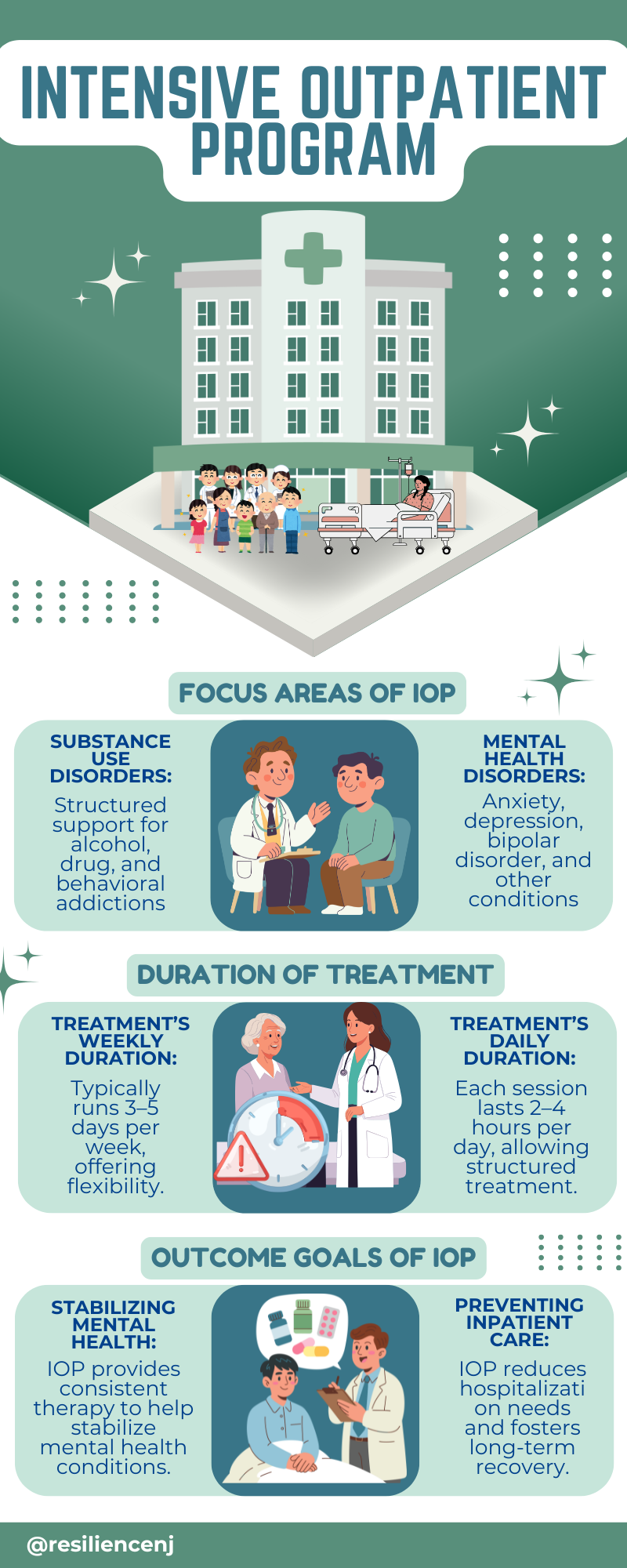
How Long Does Transitional and Step-Down Care Last?
Many families wonder how long the normal duration of transitional or step-down care is. Although specific requirements dictate the exact timeframe, the following is an outline:
- First Adjustment: Programs often provide 30–90 days to help patients manage their symptoms and adjust when they leave the program.
- Regaining Independence and Integration: Many people need three to six months to get back into their regular routines and feel completely independent again.
Several factors determine the duration of care, such as:
- The degree of stability and the diagnosis type
- Personal, family, and medical history
- Home support systems that are readily available
- Finding a happy medium between work, education, and other commitments
Instead of trying to hasten the recovery process, top-notch programs adjust the duration of treatment based on how the individual is progressing.
What Do Transitional and Step-Down Care Cost?
For many families, the cost of private, high-quality healthcare is a significant concern.
Monthly expenses for transitional and step-down care programs often fall within the $3,000 to $8,000+ range.
Executive support, private rooms, and enhanced clinical care are common features of higher-cost programs. Insurance may cover therapy and outpatient services, but step-down or transitional care typically requires out-of-pocket payment for housing and residential fees.
Wrap Up!
In short, step-down care and transitional housing are critical links in the chain that leads from mental health inpatient treatment to community life. In these programs, participants are given the tools they need to get back on their feet, learn new skills, and feel supported as they work through their rehabilitation. Quality care emphasizes gradual improvement adapted to each individual’s specific requirements rather than hastening the process.
This change is really important, and we at Resilience Behavioral Health know that. You and those you care about don’t have to go through this ordeal alone, thanks to our caring, evidence-based programs that promote long-term rehabilitation.
Get in touch with us right now to learn more about how our step-down and transitional housing services can support you in your battle for mental health.
Read next: Complex PTSD (C-PTSD) & Attachment Trauma Program


